Supremacy 1914 - World War 1
Stillfront Supremacy GmbHStrategy
4.45.87K Reviews
- Version
- 0.232
- Installs
- 10.00M
- Age Rating
- Everyone 10+
Screenshots
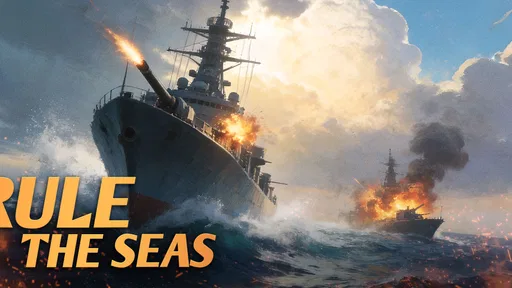
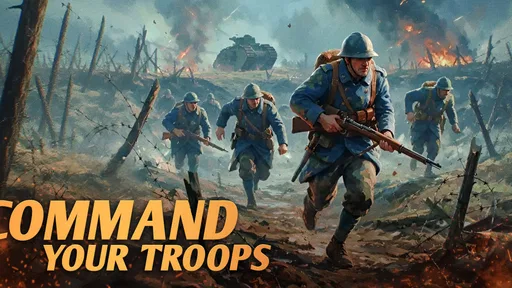
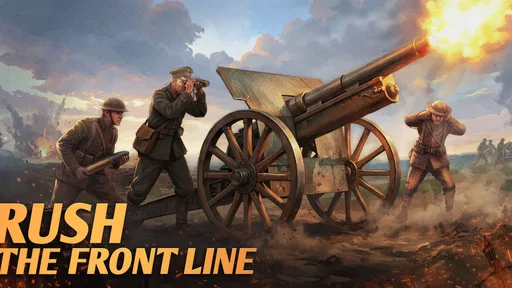
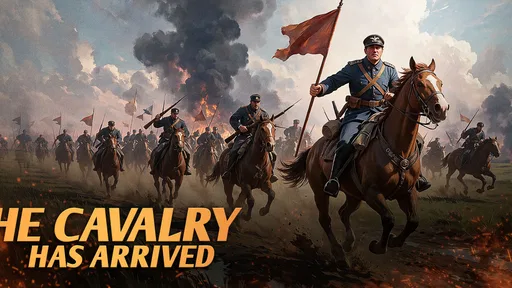
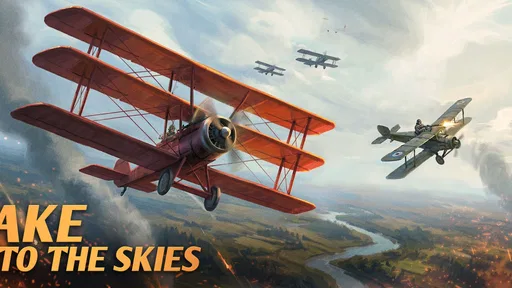
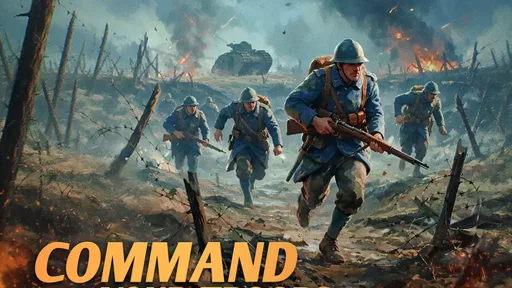
Our Review of Supremacy 1914 - World War 1
 Analysis by Appyee
I approached Supremacy 1914 - World War 1 expecting a quick historical strategy game, but its real appeal is the slower rhythm: you make decisions, then live with their consequences while the match continues. That makes it less like a short puzzle or a fast battle and more like managing a country over time. I enjoy that commitment when I have room to check in regularly; if I want a complete match in one sitting, I reach for a different kind of strategy game.
The rhythm of a match rewards a routine
My most useful habit is to treat each visit as a short planning session rather than trying to control everything at once. I check the overall map, look for immediate risks around my borders, review the state of my forces, and then choose a small number of actions that matter. That order helps me avoid getting distracted by distant possibilities while a nearby decision needs attention.
A realistic day might mean checking in before work, making a few sensible moves, and returning later to see how the situation has changed. The advantage is that I can think through diplomacy and positioning without needing to stay glued to the screen. The trade-off is that a plan made in the morning may need adjusting later, especially when other people are making their own choices.
Settings and habits that reduce friction
I would begin by checking the in-game controls and notification options on the device, then decide how often I genuinely want the game to interrupt me. The right balance depends on how involved I plan to be: frequent alerts can help me remember to revisit a match, but too many become background noise. I prefer a deliberate check-in routine over relying on every notification to tell me what to do.
It also helps to make the map readable before acting. I zoom in when judging a local situation and pull back when considering the wider strategic picture. That simple switch prevents a common mistake: treating a move that looks safe at one scale as harmless when viewed in the context of neighboring territory. I also pause before committing to an action and ask what it leaves exposed, not just what it might gain.
Small efficiencies with strategic consequences
Experienced play is often less about tapping faster and more about repeating a useful decision process. I group related checks together: borders and threats first, resources and development next, diplomacy after that. This makes it easier to notice when a military choice is out of step with the country’s broader needs. A growing force can look reassuring, but if it leaves other priorities neglected, it may create a new problem rather than solve one.
Another practical habit is to keep a simple mental record of promises and changing relationships. When several opponents are involved, I don’t assume that a friendly exchange means long-term security. I weigh what each side can gain from cooperation and keep an alternative plan in mind. Diplomacy is valuable precisely because it can change the map without fighting, but it is not a substitute for paying attention.
For a new player, I would avoid launching several ambitious plans at once. Choose a manageable priority, observe how the match responds, and build from there. That gives you a clearer sense of cause and effect than reacting to every possible opportunity. It also makes setbacks easier to diagnose: you can tell whether a decision failed because the timing was poor, the diplomatic read was wrong, or the plan asked too much of your position.
Who will enjoy the slower strategy
This is a strong fit for someone who likes long-range planning, changing alliances, and the tension of competing against people who do not follow a predictable script. It also suits players who enjoy returning to a shared strategic problem over multiple sessions. The historical setting adds atmosphere, while the central pleasure comes from adapting to other leaders rather than simply following a fixed campaign.
I would steer away from it if you need constant action, self-contained rounds, or a game that can be put down without thinking about it again. A traditional turn-based tactics game is a better choice when you want to finish a battle in one sitting and clearly see the result of each turn. A fast, real-time mobile strategy game may suit you better if immediate reactions matter more than diplomacy and long-term positioning.
Its multiplayer focus also means that opponents are part of the experience, for better and worse. Human decisions create memorable surprises, but they can make a match less orderly than a scripted campaign. I would not pick it when I want a carefully paced historical lesson or a predictable solo challenge. I would pick it when I want to test whether my plans survive contact with other players.
A Journey Back in Time
The first thing that struck me about Supremacy 1914 - World War 1 was its commitment to historical accuracy. The game does an impressive job of capturing the complexities and tensions of the early 1900s. You’re not just a player; you’re a leader navigating your nation through the intricate web of alliances, warfare, and diplomacy that defined World War I.
Gameplay Mechanics
Alright, let's dive into the nuts and bolts. The game is a real-time strategy (RTS) experience where you can choose to lead one of several historical nations. Each decision you make has a ripple effect. Whether you're negotiating peace or plotting an invasion, the stakes are high. I found myself constantly weighing my options, thinking several moves ahead like a chess grandmaster.
What I loved most was the depth of the military strategy. You can manage your troops, build alliances, and even spy on enemy movements. It’s like a geopolitical chess game, and every piece you move has its own set of consequences.
Graphics and User Interface
Visually, the game does not disappoint. The maps are beautifully detailed, and the interface is intuitive, making it easy for even a newbie strategist like me to get the hang of it quickly. The controls are smooth, and the game runs seamlessly on both Android and iOS devices, which is always a plus in my book.
Community and Competitive Play
One of the standout features of Supremacy 1914 - World War 1 is its vibrant community. The competitive aspect of the game adds a whole new layer of excitement. You’re not just playing against a computer; you're up against real players from around the world. This makes every match unique, as you never know what strategies your opponents might employ.
There are also alliances you can join, which adds a social element to the game. I found myself making new friends and learning new strategies through these alliances, making the game even more engaging.
Strategic Tips for New Players
Now, if you’re just starting, here are a few tips from my experience:
- Start small: Focus on developing a strong economy first. This will give you the resources you need to build your military.
- Be diplomatic: Not every conflict needs to end in war. Sometimes, a well-timed peace treaty can be more beneficial.
- Scout often: Keep an eye on your neighbors. Knowing what they’re up to can give you a strategic advantage.
Following these tips helped me climb the ranks and become a formidable force in the game.
What to expect before installing
Stillfront Supremacy GmbH develops this free strategy game, which has a 4.3 average from around 259,000 ratings and more than 10 million installs. It is rated Everyone 10+, and the current version is 0.225, with Android 7.1 as the minimum operating system. Those figures suggest a well-established audience, though popularity alone cannot tell you whether its deliberate pace will suit you.
The game is free to start, with in-app purchases ranging from $0.99 to $399.99 per item. I’d treat spending as optional rather than a requirement for enjoying the strategic premise, and decide on a personal limit before browsing purchase options. If you prefer games with no in-app purchases at all, that is a reasonable reason to choose another title.
One question players often have is whether they need to be online constantly. The practical answer is that the game’s real-time structure rewards regular attention, but the routine can be brief and planned. If your schedule makes even occasional check-ins difficult, the ongoing match may feel more like an obligation than a relaxing strategy game. If you can revisit it at convenient moments, that same continuity is part of its appeal.
Another consideration is whether this is a good first strategy game. I think it can be, provided you are patient enough to learn from imperfect decisions. Start with a clear, modest plan, use the map to understand your surroundings, and observe how diplomacy changes your options. Players who expect every action to have an immediate, obvious payoff may find the learning curve frustrating.
Final Thoughts
In conclusion, Supremacy 1914 - World War 1 is a gem for strategy enthusiasts and history buffs alike. The combination of historical accuracy, strategic depth, and competitive play makes it a standout title in the mobile gaming sphere. If you’re ready to test your strategic prowess and immerse yourself in one of the most pivotal periods in history, this game is a must-try. So, gear up, strategize, and see if you have what it takes to lead your nation to victory!
My verdict on mastering its pace
For me, the best way to enjoy this game is to pair a simple routine with flexible thinking: check the broad situation, handle urgent matters, and leave room for plans to change. That approach makes its mix of strategy and multiplayer uncertainty more satisfying without turning every visit into a lengthy session. I’d recommend it to friends who like patient competition and political maneuvering, but not to someone looking for instant battles or a strictly solo campaign.
Verdict
Strengths of Supremacy 1914 - World War 1
- Immersive WW1 strategy gameplay.
- Real-time multiplayer battles.
- Detailed historical accuracy.
- Diverse tactical options.
- Cross-platform support.
Limitations of Supremacy 1914 - World War 1
- Steep learning curve.
- Requires constant internet.
- Time-consuming gameplay.
- In-game purchases needed.
- Occasional server issues.
Similar Picks in This Category
View All
Clash of Clans
Supercell4.5

Plants vs. Zombies™
ELECTRONIC ARTS3.7

Lords Mobile: Kingdom Wars
IGG.COM4.5

Clash Royale
Supercell4.4

State.io — Conquer the World
CASUAL AZUR GAMES4.1

Car Driving School : Car Games
Spark Game Studios3.9
Frequently Asked Questions
What is Supremacy 1914 - World War 1 about?
Supremacy 1914 is a real-time strategy game set during World War I. Players take on the role of a nation leader, managing resources, diplomatic relations, and military strategies to dominate Europe. The game emphasizes strategic thinking and alliance-building, providing an immersive experience of wartime diplomacy and conquest.
Is Supremacy 1914 free to play?
Yes, Supremacy 1914 is free to play, although it offers in-app purchases. These purchases can enhance gameplay by providing additional resources, speed boosts, or exclusive content. However, it's important to note that spending money is not necessary to enjoy the full experience of the game.
What platforms support Supremacy 1914?
Supremacy 1914 is available on both Android and iOS devices. Additionally, it can be played on PC through a web browser, offering cross-platform play. This flexibility allows players to enjoy the game on various devices, ensuring a seamless gaming experience wherever they are.
How does multiplayer work in Supremacy 1914?
The game features a robust multiplayer system where players can join large-scale battles against opponents worldwide. Forming alliances and communicating with other players is crucial for strategic success. The multiplayer aspect adds depth and complexity, as players must navigate both cooperative and competitive dynamics.
Are there any historical elements in Supremacy 1914?
Yes, Supremacy 1914 incorporates historical elements, providing an authentic World War I atmosphere. The game includes historical nations, units, and technologies, offering players a chance to engage with the era's strategic and political challenges. While not a strict historical simulation, it captures the essence of the period effectively.
Play our best games!


